Tips
Flight Cancellation Compensation and Missed Events: What Costs Can Airlines Be Asked to Cover?
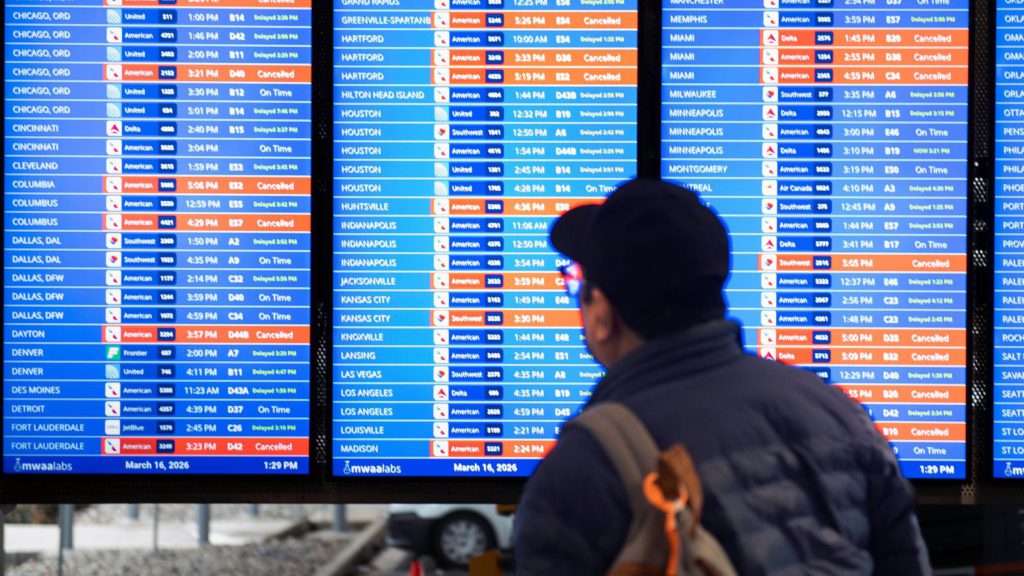
A canceled flight doesn’t just disrupt your travel plans. It can mean missing a wedding, losing a non-refundable concert ticket, or arriving too late for a business meeting that took weeks to arrange. Understanding flight cancellation compensation under EU261 and UK261 passenger rights rules is the first step toward knowing what you can reasonably recover and what falls outside an airline’s legal obligations.
The Real Cost of a Canceled Flight
Most passengers think about compensation in simple terms: a refund or a voucher. But the financial impact of a cancellation often goes much further.
Consider a family that books non-refundable hotel rooms, theme park tickets, or a cruise departure that won’t wait. Or a freelancer who misses a client presentation and loses a contract. Or a couple who paid thousands for a wedding abroad and can’t get there in time.
These are real losses. Whether airlines are legally required to cover them is a different question, and the answer depends on what type of cost you’re dealing with.
What EU261 and UK261 Rules Require Airlines to Pay
EU261 generally applies to flights departing from EU airports and certain flights arriving in the EU operated by EU-based airlines. UK261 provides similar protections for eligible flights departing the UK and certain flights operated by UK carriers. When a cancellation is the airline’s fault and notice is given less than 14 days before departure, passengers are entitled to a fixed compensation based on flight distance:
| Flight Distance | Fixed Compensation |
| Under 1,500 km | €250 per passenger |
| 1,500 km to 3,500 km | €400 per passenger |
| Over 3,500 km | €600 per passenger |
This fixed amount is separate from your right to a full ticket refund or rebooking at no extra cost. The airline must also cover meals, refreshments, and hotel accommodation if you’re stranded overnight.
Cancellations caused by extraordinary circumstances, such as severe weather, air traffic control strikes, or security threats, exempt the airline from paying the fixed compensation. The duty of care obligations (meals, hotel, rebooking) still apply.
The 14-Day Rule Explained
Timing matters significantly under EU261 and UK261 passenger rights rules. If the airline notifies you of a cancellation:
- 14 or more days before departure: No fixed compensation is owed, though you are still entitled to a refund or rebooking.
- Between 7 and 13 days before departure: Compensation may apply if the alternative flight offered departs much earlier or arrives much later than originally scheduled.
- Less than 7 days before departure: Full compensation applies unless the cancellation was due to extraordinary circumstances.
Always check the date you received official notice from the airline, not when you first heard about possible disruptions.
Consequential Losses: The Gray Area
Beyond the fixed amounts, passengers sometimes seek to recover additional costs: missed event tickets, hotel cancellation fees, or taxi fares incurred because of a late rebooking. These are known as consequential losses.
EC 261/2004 does not automatically cover these. However, under certain national laws and the Montreal Convention, passengers may be able to claim for provable financial losses directly caused by the cancellation. Success depends on the circumstances, the airline’s policies, and whether you can document the loss clearly.
Keep all receipts, booking confirmations, and any communication from the airline. These records strengthen any additional claim you make beyond the fixed compensation.
How Long Do You Have to Claim?
Claim deadlines vary by country. Under UK261, passengers generally have up to six years to file a claim in England, Wales, and Northern Ireland, and five years in Scotland. Time limits under EU261 vary by country and commonly range from two to five years. Acting sooner is always advisable, since documentation is easier to gather and airlines respond more readily to recent disruptions.
Why Choose Skycop?
Filing directly with an airline sounds straightforward until you actually try it. Response times can stretch for months, and many valid claims are rejected without clear explanation.
Skycop handles the entire process: eligibility check, paperwork, follow-ups, and legal escalation if needed. There are no upfront fees. A commission is only charged if your claim is successful, making it a practical option for passengers who want results without the administrative effort.
Conclusion
A canceled flight can trigger costs well beyond the price of the ticket itself. Fixed compensation under EU261 and UK261 covers a defined set of circumstances, while additional losses require separate documentation and may depend on national law or other applicable legal frameworks. Knowing your rights, keeping your receipts, and acting within the relevant timeframe gives you the best chance of recovering what you are owed.