
Business Travel Guide
Corporate Travel Security Solutions: How to Protect Your Employees on Every Business Trip
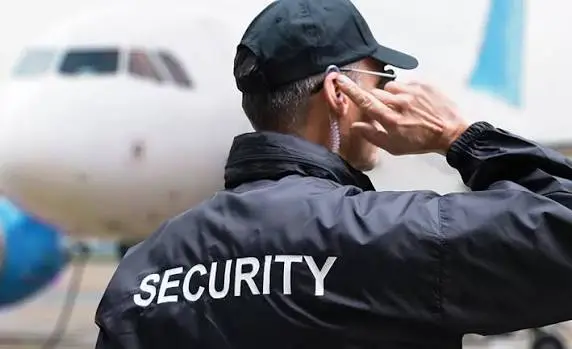
A single serious incident involving an employee abroad can generate litigation costs that exceed a company’s entire annual travel budget. Reputational damage from a mishandled crisis can destroy client relationships built over years. Insurance premiums spike after incidents. And the most talented field staff quietly leave for competitors that demonstrate better duty of care.
Companies with formal travel safety programmes experienced 68% fewer serious incidents per traveller-day than those relying on ad-hoc safety measures. The average cost of a medical evacuation from Sub-Saharan Africa to Europe exceeds $150,000 before legal fees. These figures are not arguments for avoiding business travel. They are arguments for managing it properly.
This guide covers the complete landscape of corporate travel security solutions available to organisations, from pre-trip risk assessment and destination intelligence through to in-trip monitoring, cybersecurity on the road, duty of care compliance and the specific security considerations that apply to business travel into and across Africa.
What Is Corporate Travel Security and Why Does It Matter?
Corporate travel security is the organisational framework that companies use to protect employees before, during and after business travel. It encompasses pre-trip risk assessment, destination intelligence, traveller tracking, medical preparedness, emergency evacuation planning, cybersecurity protocols and post-trip incident review.
The WEF Global Risks Report 2026 warns that geoeconomic tools such as tariffs, sanctions and export controls are being deployed with increasing frequency, creating material risk to cross-border operations. Prolonged state-based armed conflicts continue to disrupt energy, food and supply chains, posing direct travel and operational hazards for businesses operating near affected regions.
The threat categories facing corporate travellers have evolved beyond conventional crime and medical risk. Three categories now demand explicit attention from every corporate travel programme:
State-level wrongful detention is the single fastest-growing category of corporate travel risk. The US State Department’s May 2026 advisory update formally identified nine countries where the probability of wrongful detention against US nationals is elevated, including Russia, China, Iran, North Korea, Afghanistan, Venezuela, Myanmar, Nicaragua and Eritrea. For organisations sending executives into any of these markets, board-level review of travel necessity is now a minimum standard.
Kidnap, extortion and ransom risks have intensified and expanded geographically. Willis Towers Watson’s 2025 review noted that kidnap and ransom risks intensified in traditionally high-risk countries and emerged in jurisdictions previously considered lower risk, driven by persistent political, social and economic fragility in West Africa and Latin America.
Cyber threats have become the dominant risk for most business travellers regardless of destination. Employees relying on mobile devices and public networks while travelling create consistent, exploitable vulnerabilities that threat actors across all geographies actively target.
The Legal Foundation: Duty of Care
Duty of care is not a corporate value statement. It is a legal obligation. In most Western jurisdictions, employers have a legal responsibility to take reasonable steps to protect employees from harm while they are working, including when they travel for business. Failure to fulfil that obligation creates exposure to litigation, regulatory action and reputational damage that no insurance policy fully covers.
The international standard for travel risk management is ISO 31030, published in 2021 and now widely adopted by risk managers and legal teams as the benchmark for demonstrating adequate duty of care. ISO 31030 defines the process for identifying, assessing, and treating travel risks in a systematic, documented, and auditable way.
In practical terms, duty of care for corporate travellers in 2026 requires the following minimum standards:
Organisations must conduct destination-specific risk assessments before approving travel. A generic awareness that a country has elevated risk is not sufficient. The assessment must be documented, current, and specific to the nature of the trip and the profile of the traveller.
Organisations must have a mechanism to locate employees during emergencies. Knowing that an employee is somewhere in Lagos or somewhere in London is not adequate. The organisation must be able to pinpoint location and establish communication within a defined response window.
Organisations must provide pre-trip briefings that go beyond logistics. Employees must understand the specific risks at their destination, the protocols for reporting incidents, and the emergency contacts and escalation procedures that apply.
Organisations must have an emergency response capability. Whether that capability is in-house through a global security operations centre or outsourced to a specialist provider, there must be a documented and tested response plan for the most likely incident types at each destination.
The Five Pillars of a Corporate Travel Security Programme
Pillar 1: Pre-Trip Risk Assessment and Destination Intelligence
Every business trip should begin with a formal risk assessment that is specific to the destination, the traveller profile and the nature of the trip. A senior executive travelling to Lagos for a board meeting carries a different risk profile than a mid-level account manager attending a conference in Accra. The assessment should reflect that difference rather than applying a blanket country-level rating.
Destination intelligence should cover the security environment, including crime, civil unrest, terrorism, and kidnapping risk. It should address the health environment, including endemic disease, medical facility quality, and medical evacuation logistics. It should cover the cyber environment, including local network security, known surveillance infrastructure, and device security risks. It should also address logistical risks, including road safety conditions, transport reliability, and natural disaster exposure.
Real-time threat monitoring platforms such as Everbridge, AlertMedia and FoneTrac provide automated destination intelligence feeds that update continuously as conditions change. These platforms allow travel managers to set geofenced alerts that trigger automatically when a traveller enters or remains in a location where the threat level changes while they are on the ground.
For organisations without dedicated security teams, working with a travel risk management specialist such as International SOS, Control Risks or Pinkerton provides access to the same intelligence capabilities on a per-trip or retainer basis without requiring in-house security infrastructure.
Pillar 2: Traveller Tracking and Real-Time Communication
Knowing where your employees are at all times during a business trip is the foundation of any emergency response capability. Traveller tracking combines itinerary data from the travel management system with real-time GPS or cellular location data from the traveller’s device, giving security teams a live picture of global exposure rather than a static itinerary from the booking system.
Travel risk management platforms provide real-time mapping features, mobile location monitoring, and integrated travel itineraries that give security operations teams 24/7 visibility into employee movements. Automated check-in protocols reduce the manual burden on both the traveller and the security team. Geofencing capabilities trigger alerts when a traveller enters a restricted or elevated-risk area.
Two-way communication tools that work across cellular, satellite and Wi-Fi networks ensure that the organisation can reach a traveller regardless of local infrastructure conditions. This is particularly relevant for travel into parts of Africa, the Middle East and Central Asia where telecommunications infrastructure is inconsistent and standard mobile connectivity cannot be assumed.
For individual business travellers, a business eSIM solution provides an additional layer of connectivity resilience, allowing the traveller to maintain access to emergency services, risk management apps and headquarters communication without depending on a single local carrier.
Pillar 3: Cybersecurity for Business Travellers
Cyber threats are the fastest-growing risk category for corporate travellers in 2026. Every time a business traveller connects to a public Wi-Fi network at an airport, hotel or conference centre, they create an attack surface that sophisticated threat actors actively exploit. Compromised credentials, stolen intellectual property, and ransomware infections often trace back to a poorly secured device used during a business trip.
The minimum cybersecurity protocol for business travel should include the following.
Every travelling employee must use a VPN at all times when accessing company systems from any network outside the office. This is non-negotiable. Public Wi-Fi at airports, hotels, and conference venues is an active threat environment, not a safe convenience.
Devices should be travel-hardened before departure. This means ensuring that the operating system, applications and security software are fully patched and updated. It means disabling auto-connect features that cause devices to join known networks automatically. And it means ensuring that full-disk encryption is enabled so that a stolen or lost device does not become a data breach.
Physical device security requires the same discipline as digital security. Devices and bags must remain within the traveller’s sight at all times in public spaces. Devices should not be left unattended in hotel rooms without engaging the safe storage facilities available. In high-risk destinations where sophisticated surveillance is a realistic concern, technical surveillance countermeasure assessments before key meetings may be warranted.
Charging cables and USB connections in public spaces represent a specific threat vector. Juice-jacking attacks use compromised public USB charging ports to install malware on connected devices. Travelling employees should use their own charging cables connected to their own power adapters at all times.
Pillar 4: Medical Preparedness and Emergency Evacuation
Medical emergencies are statistically the most common serious incident type in corporate travel programmes. The risk is not limited to exotic disease in remote locations. Cardiac events, road traffic accidents and acute medical episodes that would be routine to treat in a major Western city can become life-threatening in destinations where trauma care capacity is limited.
The average cost of a medical evacuation from Sub-Saharan Africa to Europe exceeds $150,000 before legal fees. For organisations without international medical insurance that covers evacuation, a single incident can represent a cost that exceeds the entire year’s travel budget.
Every employee travelling internationally should carry comprehensive international medical insurance that explicitly covers medical evacuation, emergency treatment and repatriation. The policy wording matters. Standard travel insurance often excludes or limits coverage in ways that are only discovered at the point of claim. Specialist corporate travel health insurance through providers such as International SOS, AXA Global Healthcare or Cigna Global provides coverage that is designed specifically for business travel environments.
Pre-trip medical briefings should include destination-specific health risks, required and recommended vaccinations, malaria prophylaxis where applicable and the location of vetted medical facilities in the travel area. For travel to destinations where standard public healthcare is inadequate, identifying a private clinic or hospital in advance of the trip removes critical decision-making time during an emergency.
Employees with existing medical conditions require a more detailed pre-trip medical assessment and a documented plan for managing their condition in the travel environment, including medication supplies, documentation, and emergency protocols specific to their situation.
Pillar 5: Ground Transportation Security
The last mile between a transit hub and a corporate venue is consistently identified as the point of highest vulnerability in corporate travel security. Executives emerging from an airport into an unfamiliar city, negotiating for transport in a language they do not speak, are at their most exposed. Most kidnappings, robberies, and targeted attacks on corporate travellers occur during ground transportation.
Ground transportation security requires vetted drivers and pre-booked transport arranged before arrival. Using unlicensed taxis or transportation platforms without security vetting at high-risk destinations is an avoidable risk. Hotels in high-risk cities typically operate vetted ground transportation services that should be the default option for business travellers.
Route planning matters as much as vehicle choice. Security teams should assess routes in advance of key trips, identify alternative routing options and brief drivers on protocols for disruptions, roadblocks and emergency diversions. For high-profile executives or sensitive trips, armoured vehicle requirements and close-protection coordination with local security professionals may be warranted.
For Nigerian organisations and multinationals operating in Nigeria, road safety is one of the most significant travel risks in the country. Road traffic accidents represent one of the leading causes of business travel fatalities globally, and Nigerian road infrastructure outside Lagos and Abuja creates elevated risk for business travellers moving between cities. Pre-vetted drivers, daylight travel wherever possible, and robust journey management protocols are minimum standards for ground movement within Nigeria.
Corporate Travel Security in Africa: Specific Considerations
Africa represents both a significant business travel opportunity and a complex travel security environment. Nigerian companies travelling within Africa and international companies travelling into Nigeria and across the continent face a security landscape that standard Western corporate travel programmes are often not calibrated to handle.
In 2026, Nigeria presents a high travel risk environment with significant regional variation. Lagos and Abuja remain operational for business travel with elevated precautions. The northeast faces active insurgency. The northwest banditry crisis has expanded, with mass kidnapping incidents in Zamfara and Kaduna. The Niger Delta carries elevated kidnapping-for-ransom risk targeting oil and gas workers. These are not theoretical risks. They are documented operational realities that require specific mitigation measures beyond standard corporate travel protocols.
The Sahel region encompassing Mali, Burkina Faso and Niger represents one of the most rapidly deteriorating security environments in the world for business travellers. FCDO advises against all travel to all three countries. For Nigerian organisations with commercial interests in West African markets, understanding which corridors are operational and which carry unacceptable risk is a strategic necessity, not a policy footnote.
For international organisations sending employees into Nigeria and across Sub-Saharan Africa, the following specific measures apply beyond the standard five pillars above:
Location-specific risk assessments must replace country-level ratings. A risk assessment that rates Nigeria as high risk without differentiating between Lagos, Abuja and Zamfara State is operationally useless. The assessment must be granular enough to guide actual travel decisions.
Medical evacuation insurance is not optional in Sub-Saharan Africa. The quality of emergency medical care outside major urban centres is insufficient to rely on local treatment for serious incidents. Insurance that explicitly covers medical evacuation to a facility capable of providing the required level of care is a non-negotiable baseline.
Security tracking for ground movement within Nigeria and across the continent requires more sophisticated protocols than standard traveller tracking tools provide. Journey management planning, security escorts for high-risk routes, and pre-departure security briefings from specialists with current in-country intelligence are standard practice for organisations operating at the frontier of the African business travel environment.
Technology Solutions for Corporate Travel Security
The corporate travel security technology stack typically includes the following categories of solutions.
Travel risk management platforms combine threat intelligence, traveller tracking, communication tools and mobile apps for emergency support. Leading platforms include Everbridge Travel Risk Management, AlertMedia, FoneTrac and WorldAware. These platforms give travel managers and security teams a consolidated view of global traveller exposure and the tools to respond to incidents in real time.
Corporate travel management platforms with integrated security features provide the booking, itinerary management, and traveller tracking capabilities that feed data into the security layer. When booking and security systems are integrated, itinerary data stays current automatically as trips change, and security alerts are triggered based on real-time itinerary information rather than a static pre-trip plan.
Expense management integration closes the loop by capturing travel spend data alongside security and risk data, giving CFOs and finance directors the full picture of travel programme cost and risk in a single management view.
Clooper’s corporate travel management platform integrates booking, expense tracking and traveller visibility in one workflow, giving Nigerian and African organisations the operational foundation on which a comprehensive travel security programme can be built. For organisations that currently manage travel through disconnected tools and manual processes, the absence of integrated traveller visibility is the single biggest gap in their duty of care capability.
Building Your Corporate Travel Security Policy: A Practical Framework
A travel security policy is the document that translates your duty of care obligation into operational instructions for employees, managers and the travel team. Here is the minimum framework that every corporate travel security policy should address.
Pre-trip approval and risk classification. Define a tiered risk classification system for destinations and specify the approval level required for each tier. Standard business travel to low-risk destinations may require only manager approval. Travel to high-risk destinations should require security review and executive sign-off.
Pre-trip briefing requirements. Specify what information employees must receive before any international trip. Include destination risk summary, health requirements and recommendations, emergency contact numbers, check-in protocol, device security instructions, and ground transportation guidance.
During-trip check-in protocol. Define the frequency and method for check-in communication during business trips. Daily check-in for high-risk destinations is a common standard. The check-in protocol should specify what happens if an employee misses a scheduled check-in and who is responsible for escalating.
Emergency response procedures. Document the emergency contacts, escalation chain, and response procedures for the most likely incident types. Medical emergency, security incident, natural disaster, and civil unrest each require different first steps. Employees should know who to call and what to do before the incident happens.
Post-trip incident reporting. Require employees to report any security incidents, near misses or unusual situations experienced during travel. This data feeds the risk assessment process and allows the programme to evolve based on real experience rather than theoretical threat models.
Frequently Asked Questions
What is corporate travel security?
Corporate travel security is the framework organisations use to protect employees before, during and after business travel. It covers pre-trip risk assessment, destination intelligence, traveller tracking, medical preparedness, cybersecurity protocols and emergency response. For most organisations in 2026, it also carries a legal dimension through the duty of care obligation that employers owe to employees travelling for work.
What is duty of care in corporate travel?
Duty of care is the legal and ethical obligation that employers have to take reasonable steps to protect employees from harm while they are carrying out work activities, including business travel. In practical terms, it requires destination risk assessment, traveller location awareness, pre-trip briefing, emergency response capability, and post-incident review. ISO 31030 provides the international standard framework for travel risk management that most organisations use to demonstrate duty of care compliance.
What are the biggest threats to corporate travellers in 2026?
The biggest threats to corporate travellers in 2026 include cyber threats and device compromise through public networks, state-level wrongful detention in nine high-risk jurisdictions flagged by the US State Department, kidnap and extortion risk in Sub-Saharan Africa and Latin America, road traffic accidents particularly in emerging markets, and health emergencies in destinations with limited medical care capacity.
How do organisations track employees during business travel?
Travel risk management platforms such as Everbridge, AlertMedia and FoneTrac provide real-time traveller tracking by combining itinerary data from the travel management system with GPS and cellular location data from the traveller’s mobile device. Automated check-in protocols, geofencing alerts and two-way communication tools allow security teams to maintain continuous visibility of global traveller locations and respond to incidents in real time.
What does a corporate travel security programme cost?
Costs vary significantly by organisation size, travel volume and risk profile. A basic programme using a travel risk management platform subscription starts at a few thousand dollars per year for smaller organisations. Specialist security consultancy, executive protection services and medical evacuation insurance add to the cost for organisations with high-risk travel programmes. The relevant comparison is not the cost of the programme against zero but against the cost of a single serious incident, which regularly exceeds $150,000 in medical evacuation alone.
Conclusion
Corporate travel security is no longer a specialist concern for organisations operating in conflict zones. It is a mainstream business obligation for any company whose employees travel internationally, regardless of destination or frequency.
The organisations that manage this well in 2026 share three characteristics. They treat travel security as a strategic function rather than an administrative one. They invest in integrated technology that gives them real-time visibility of traveller exposure rather than relying on static itinerary data. And they build a programme that empowers employees with the knowledge and tools to protect themselves, rather than creating the illusion of safety through policy documents that employees never read.
Clooper’s corporate travel management platform provides Nigerian and African organisations with the integrated booking, expense and traveller visibility infrastructure on which a robust travel security programme can be built. For organisations ready to move beyond ad-hoc travel management and build a programme that actually protects their people, speak with a Clooper corporate travel specialist today.